How to build an insect hotel in your garden?
Have you ever wondered how to make your garden a friendly place for bees and other pollinators? With my tips, you will learn how to create a cozy haven for these invaluable creatures, while also contributing to the preservation of ecosystem diversity.
Why is it worth building insect hotels? Well, insects play a crucial role in ecosystems by aiding in plant pollination and controlling pest populations. Unfortunately, their natural habitats are becoming scarcer, affecting their populations. That’s why I decided to create a welcoming environment for them while enjoying the fruits of my little garden friends’ labor.
In today’s post, I will share the process of creating my own insect hotel so that you can also attract this beneficial fauna to your surroundings.
Ready for some DIY projects that will help protect nature? Let’s get started!
Step by step, here’s how I created my own insect hotel:
- Step 1. Project
First, I sat down to plan my project. In the project, I had to include essential information such as:
- Desired insects and conditions,
- Location of the hotel,
- Materials and tools needed for construction,
- Hotel appearance
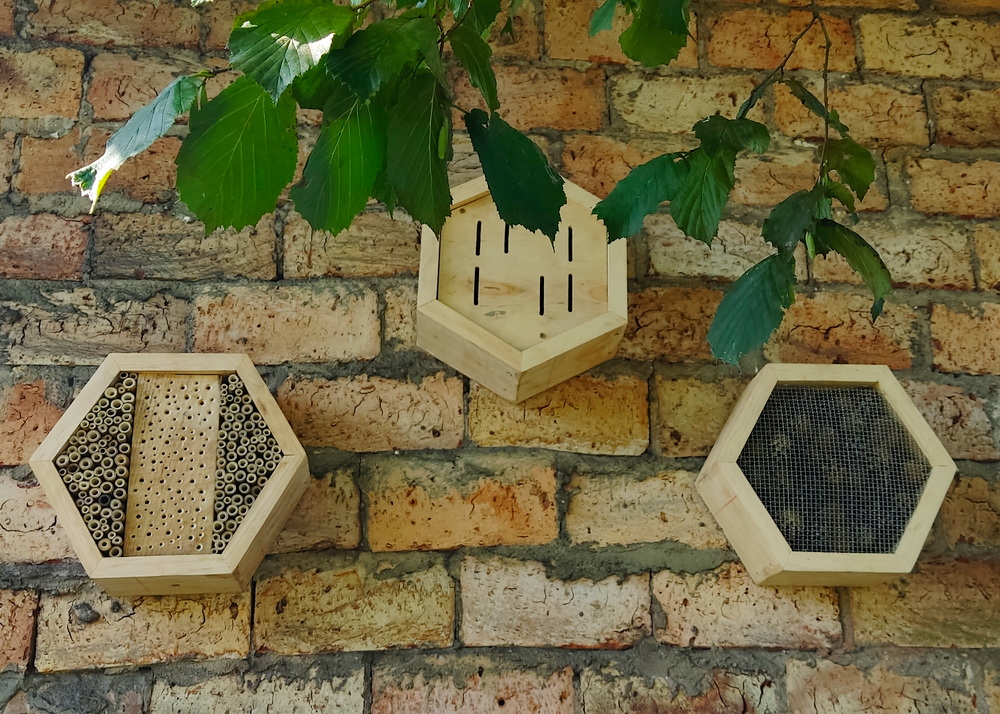
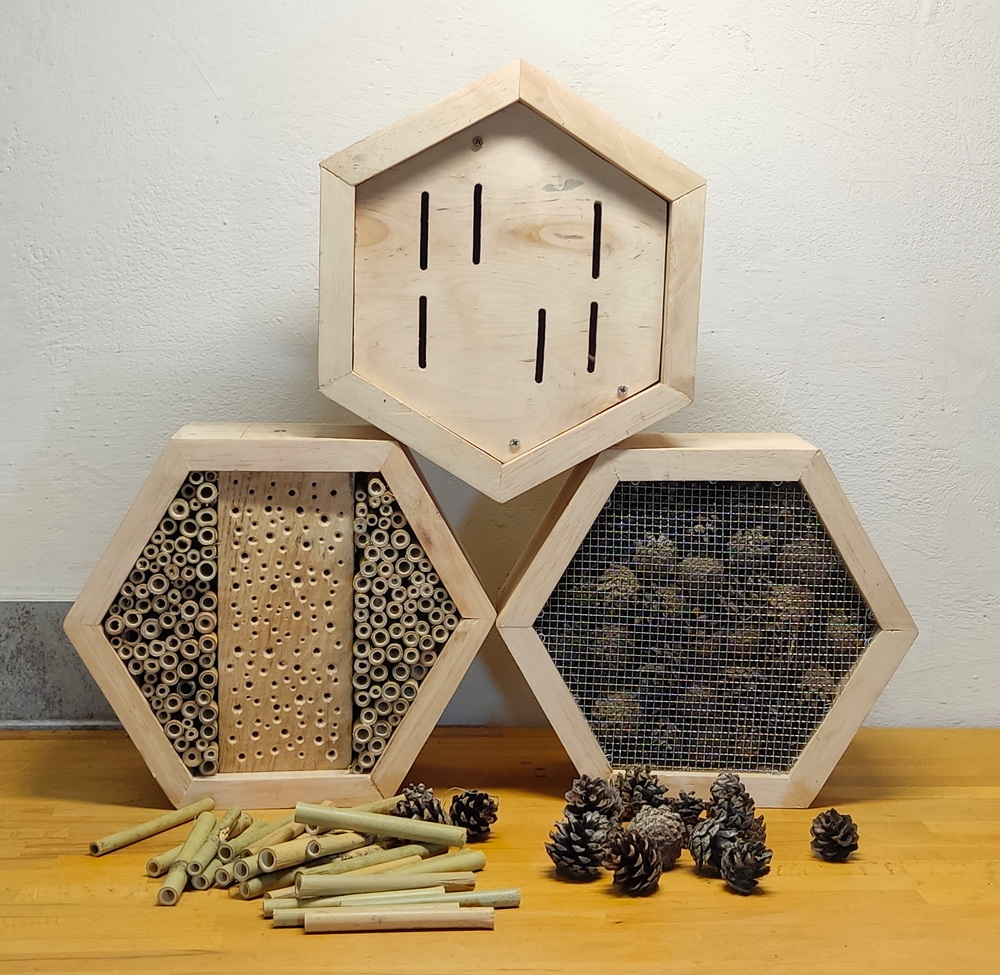
In my mind, a project was born with three cube-shaped houses, each designed for a different species of insects:
The first one, a house with vertical slots – for butterflies.
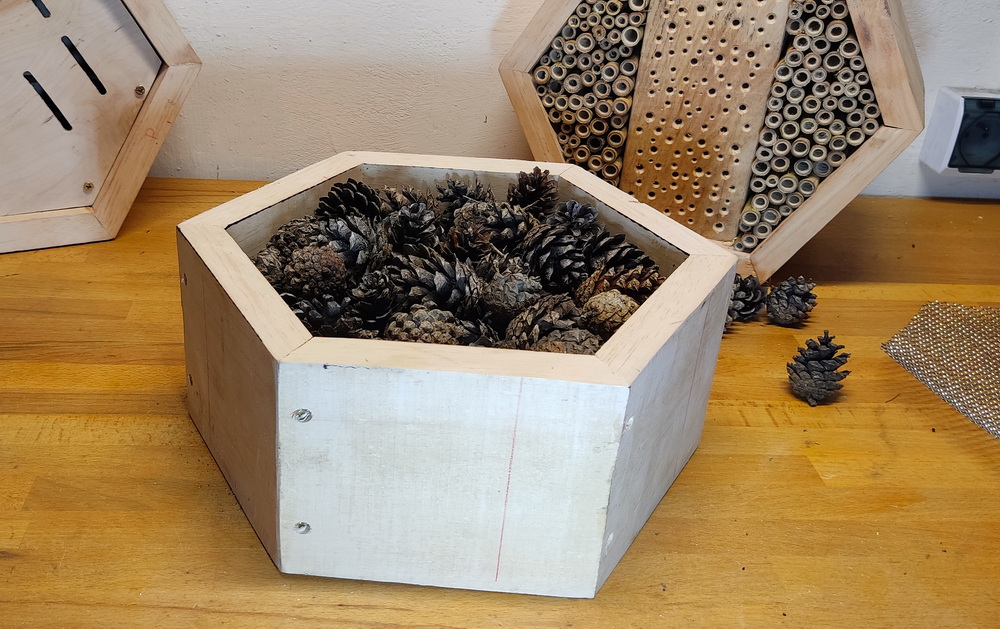
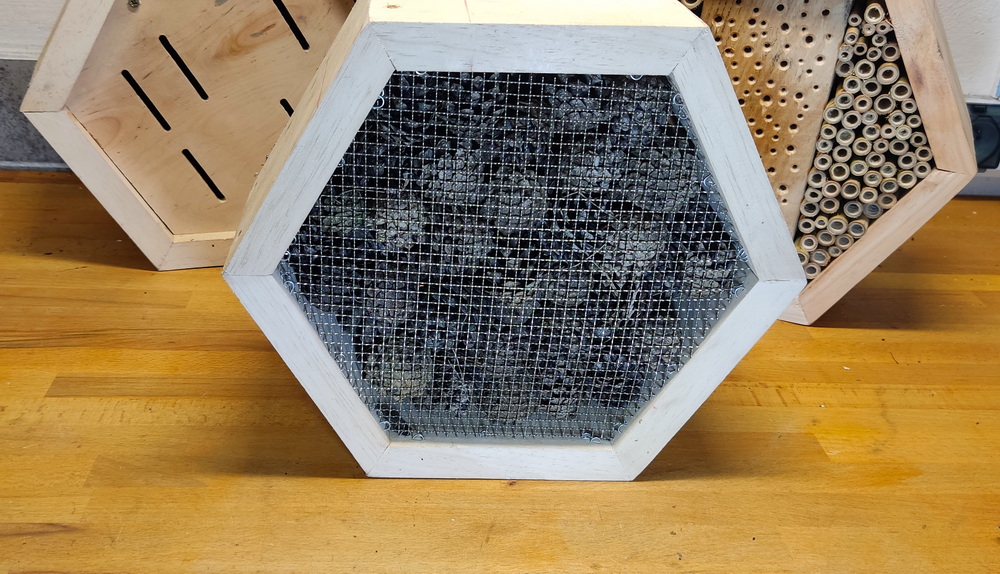
The second one, filled with pinecones – for ladybugs and lacewings.
The third one, with drilled holes and bamboo tubes – for wild bees.
Of course, my hotels will also be visited by other beneficial insects that I haven’t mentioned before.
- Step 2. Cutting
First, I prepared the external frames of the hotel.
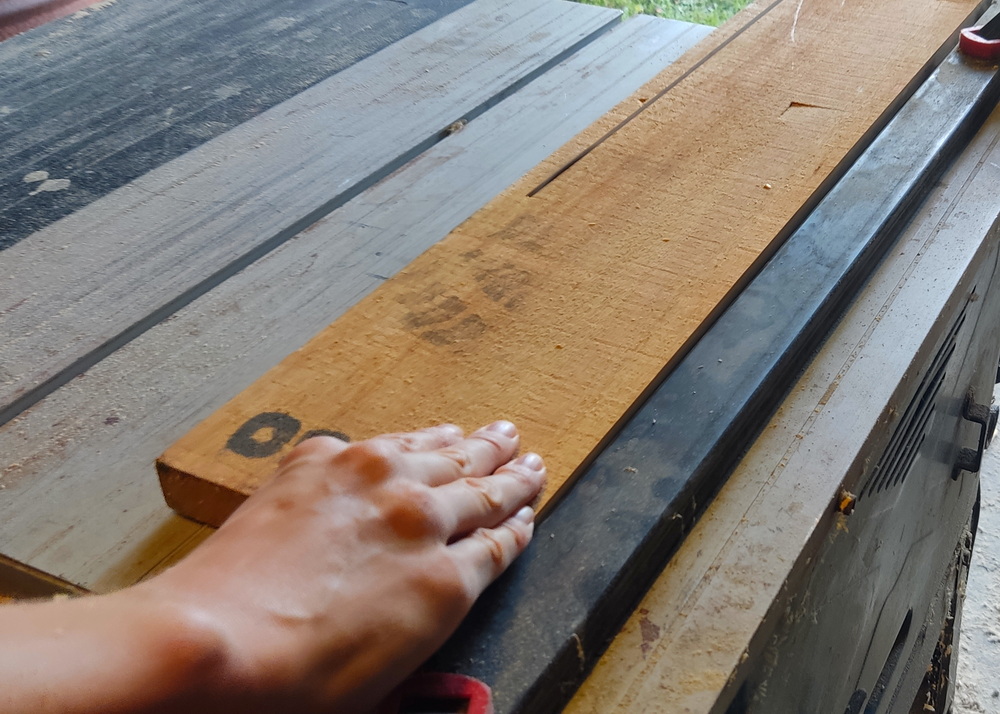
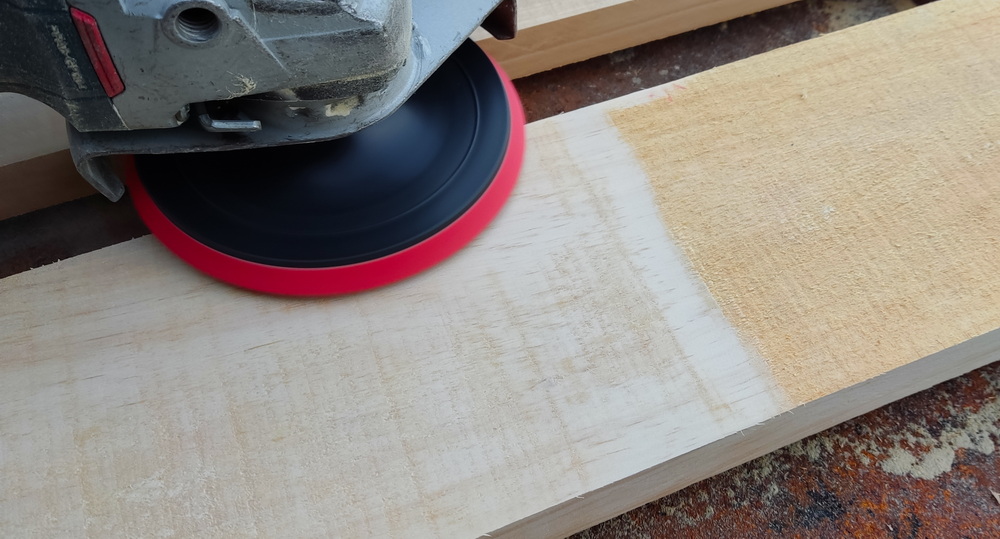
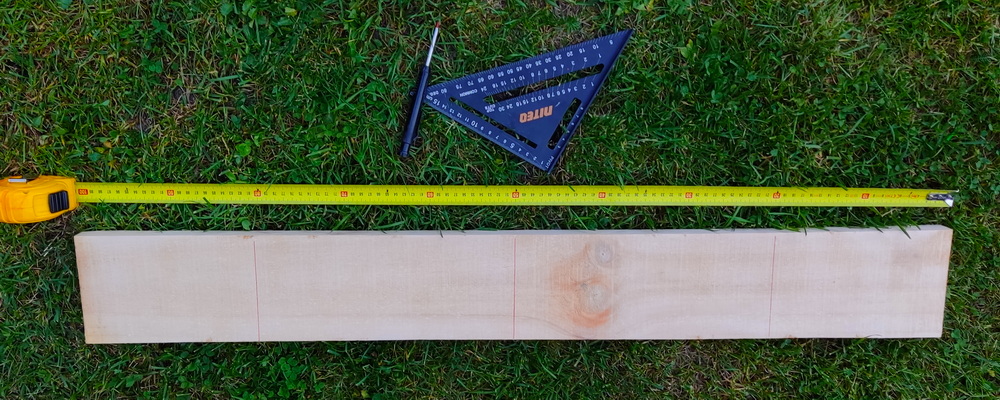
I straightened and cut 1-meter-long boards to a width of 12 cm, and then sanded them on both sides using an angle grinder.
- Step 3. Cutting the cube pieces.
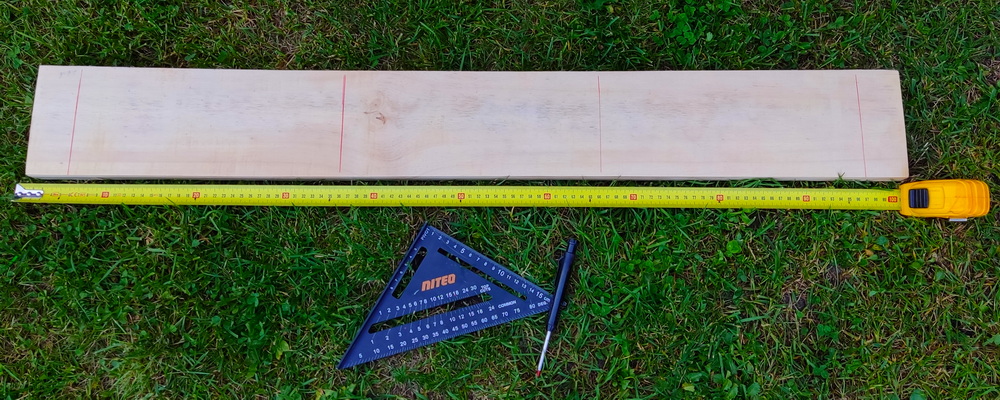
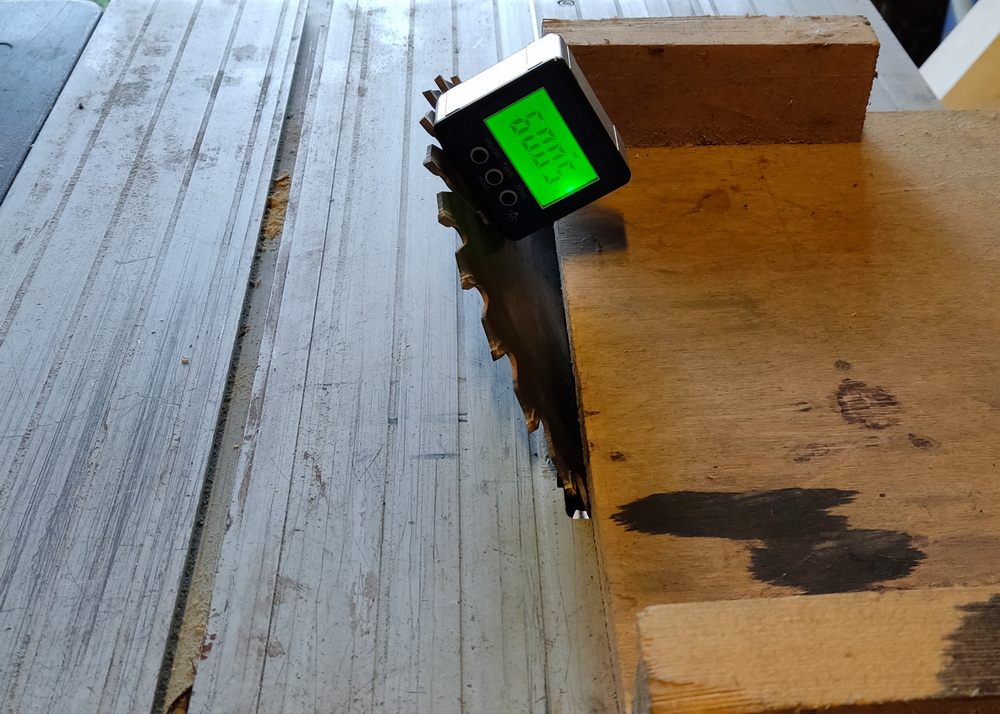
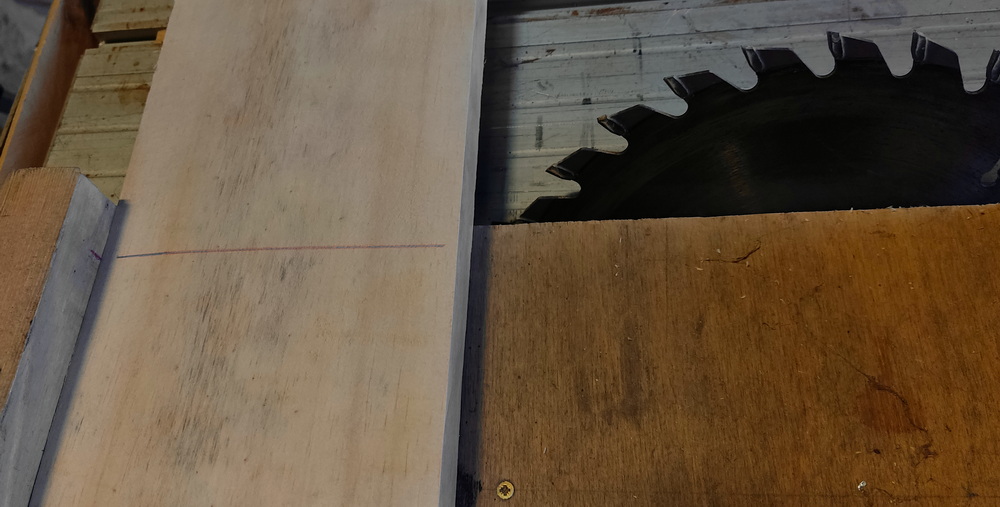
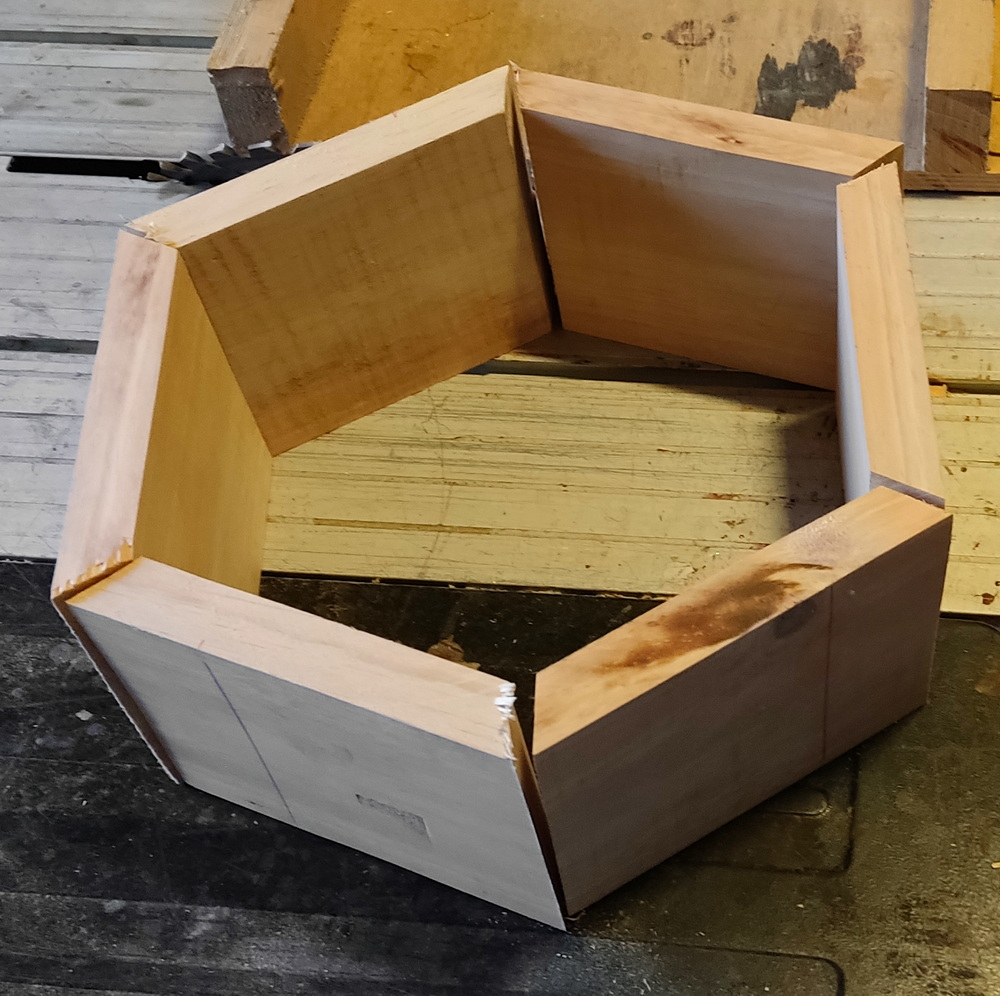
I marked the cutting points on each board. To create my perfect cube, the sides should be approximately 15 cm in length. For this purpose, I marked the cutting lines on the board and set the saw at the appropriate 60-degree angle. Why are the lines marked every 30 cm? Check the video to see how I made my work easier.
- Step 4. Gluing the cube pieces.
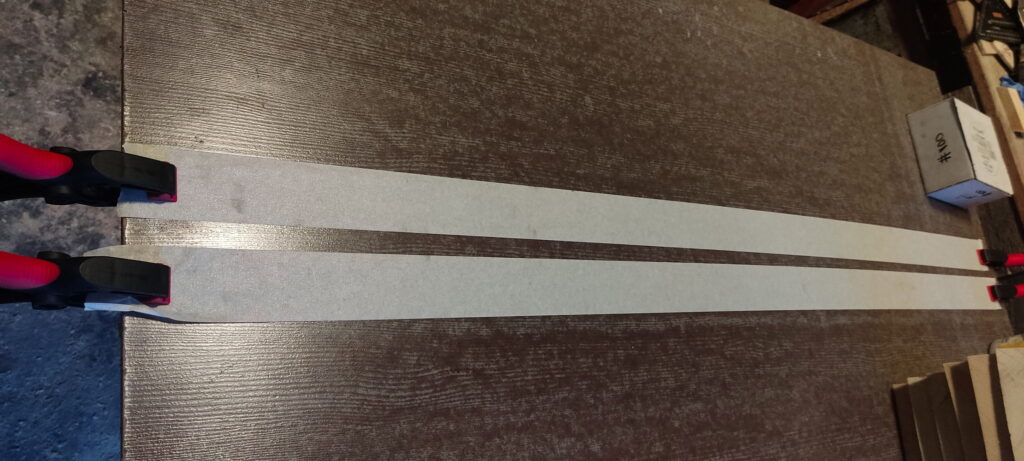
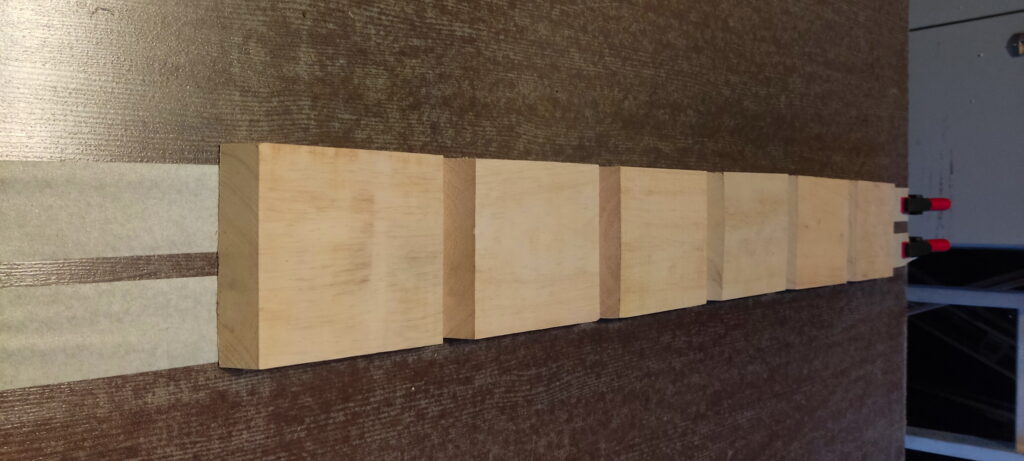
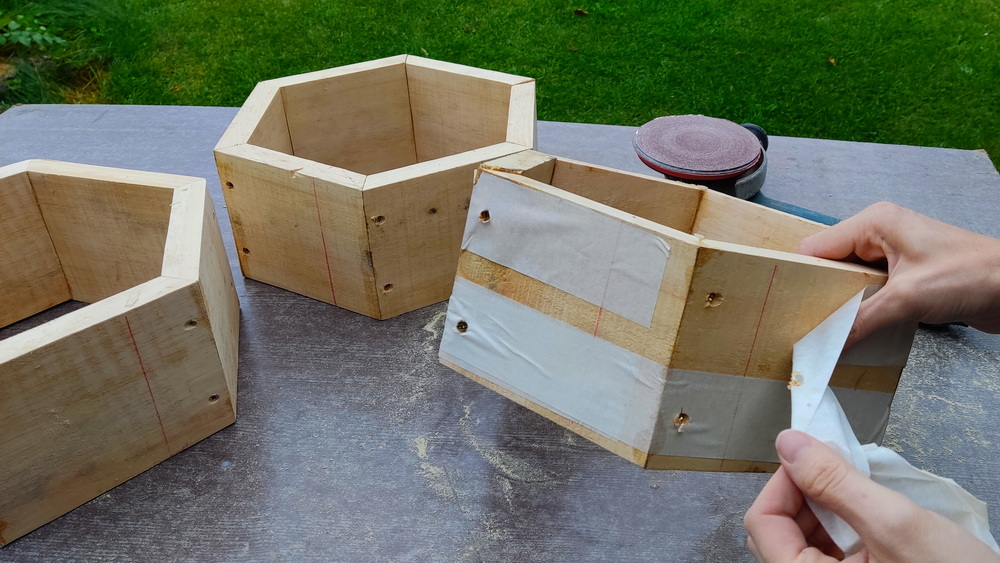
To make gluing the frame easier, I used adhesive tape. I unrolled two pieces of tape on the table with the sticky side facing up. I applied glue to each subsequent board and placed it on the tape, aligning them all to the lower edge. Once I had the whole set arranged, I folded the tape and stuck its ends together. The tape held the pieces in their proper places, so I could leave them to let the glue set overnight.
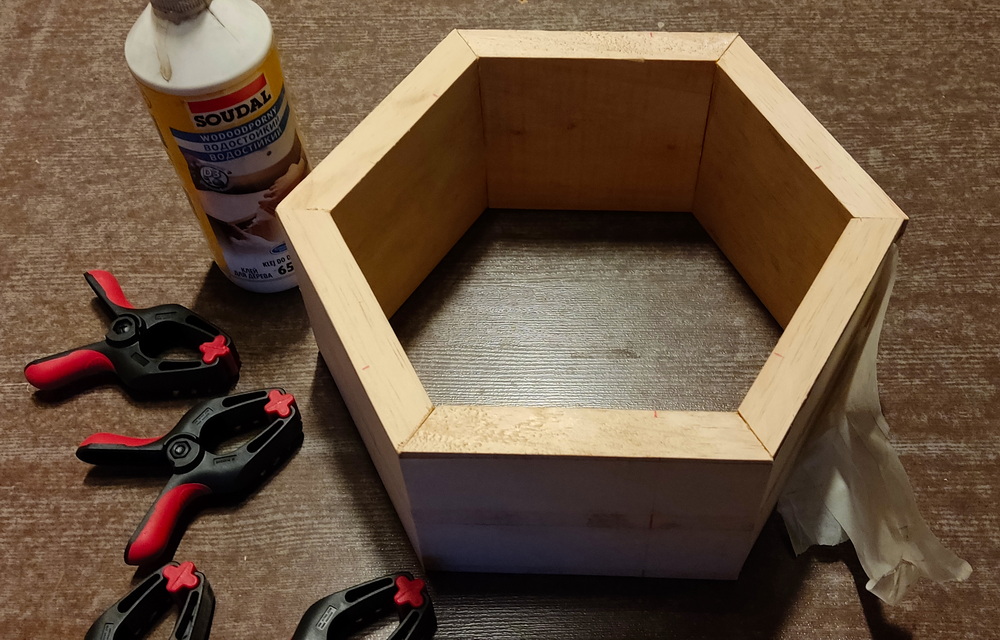
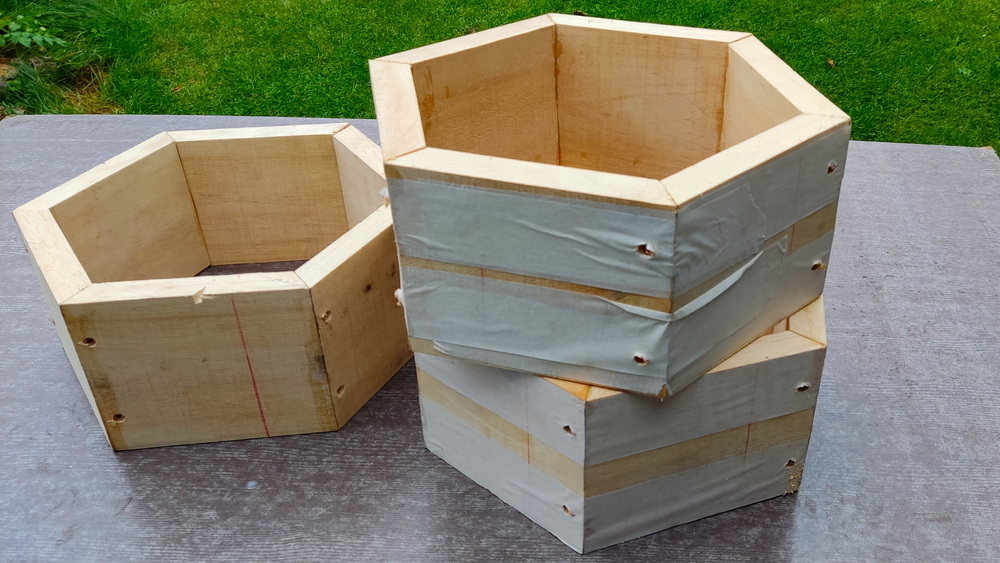
The glue held well, but I reinforced the glued surfaces with screws as an additional measure. I removed the tape and lightly sanded the front and back of the cube to smooth out any rough spots.
- Step 5. Creating a hotel for butterflies.
A butterfly hotel should be filled with branches where butterflies can perch and have vertical entrances. For this purpose, I cut two pieces of plywood, which will serve as the back and front of the hotel. I traced the back from the external sides of the cube and the front from the inner edges.
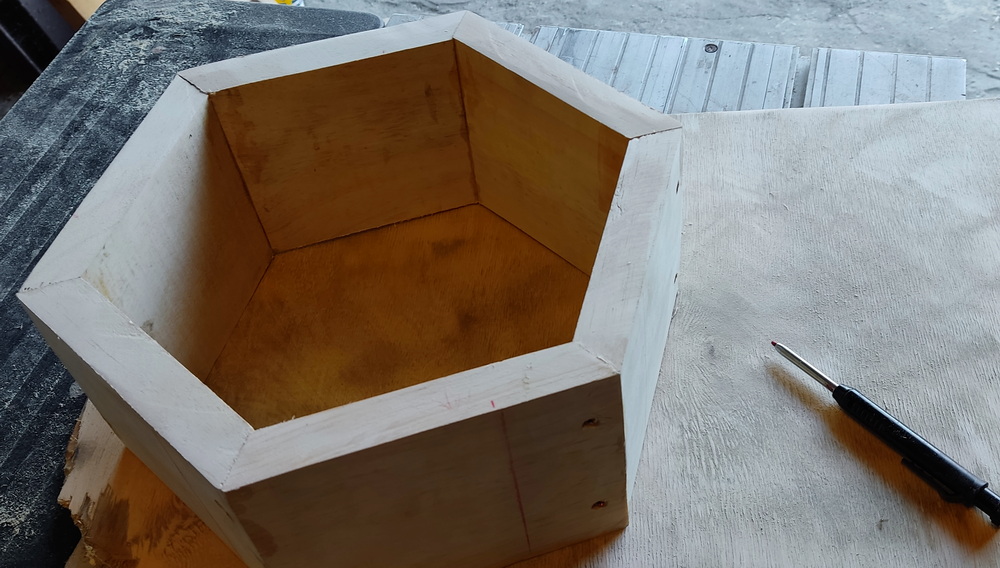
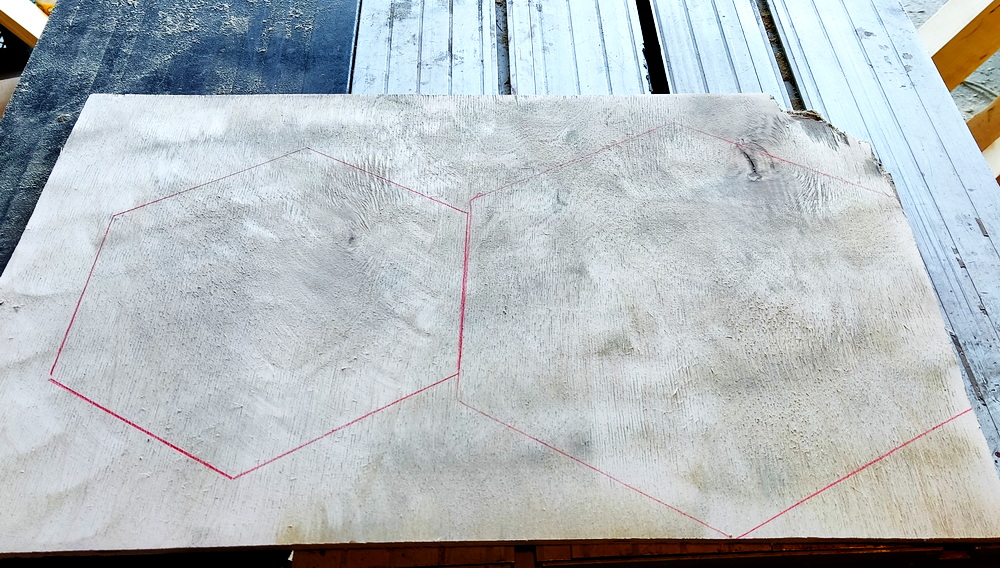
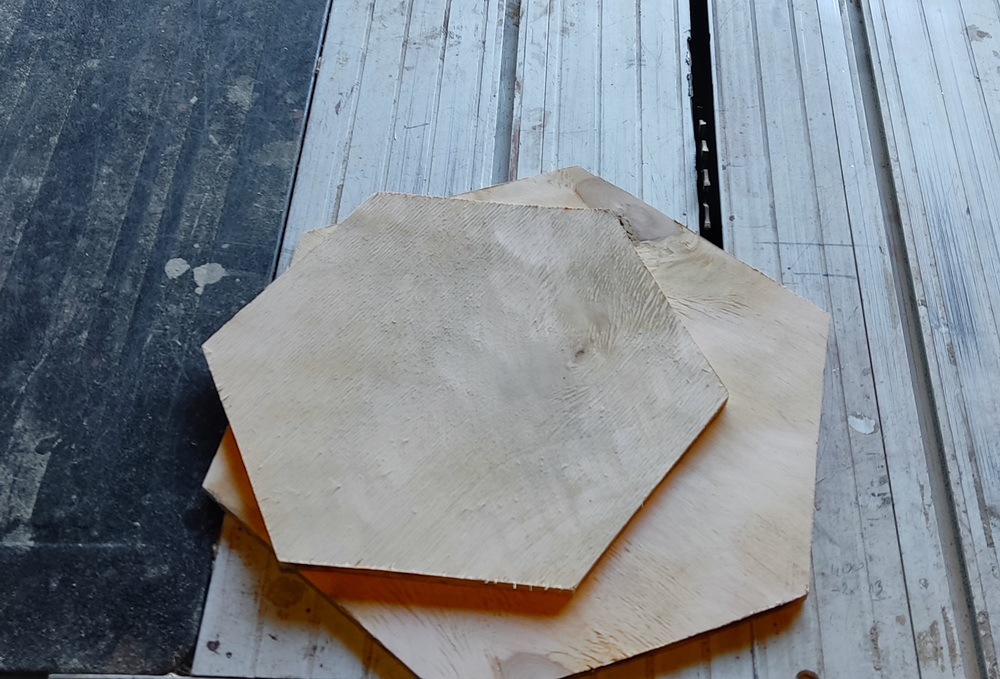
In the front, I routed out the door – vertical slots with a length of 5 cm.
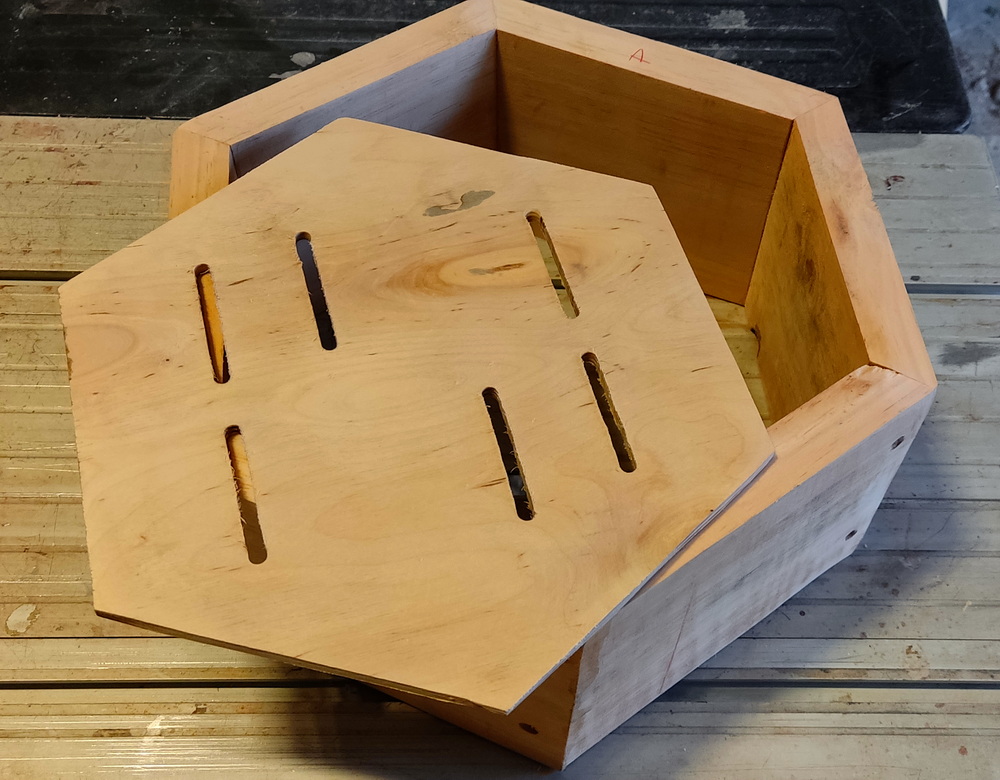
The entrance wall is gently recessed into the frame and rests on two remaining boards from setting up the saw. The back will be screwed directly to the frame.
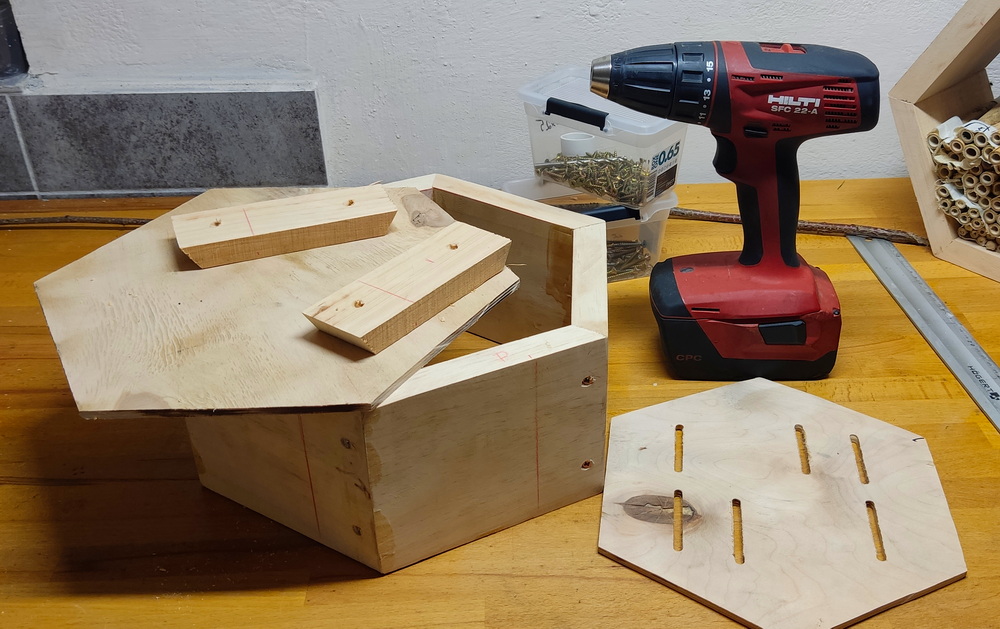
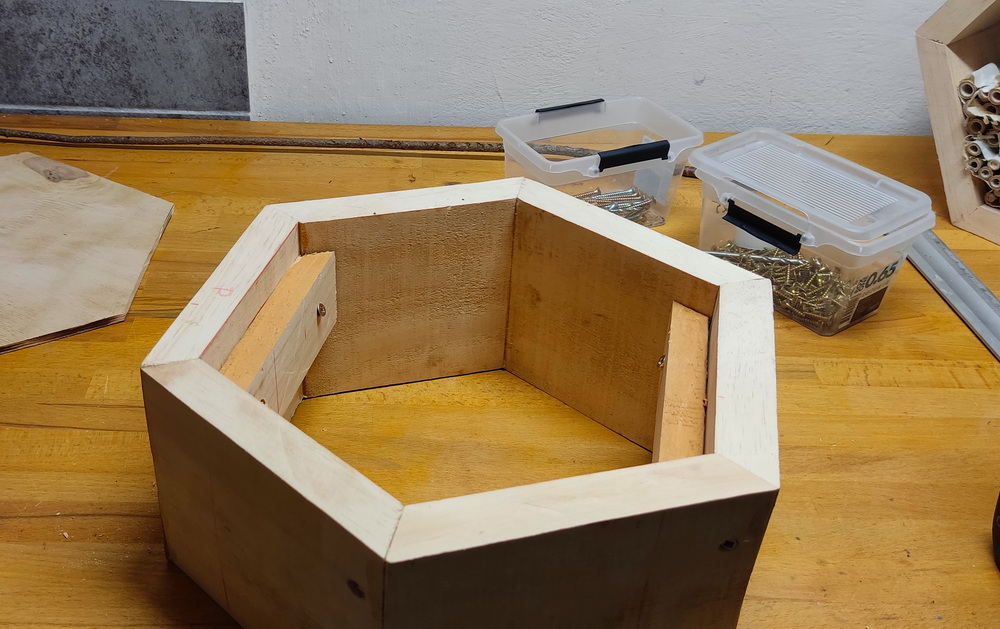
Inside the house, I placed branches and secured them to prevent them from lying loosely or tipping over.
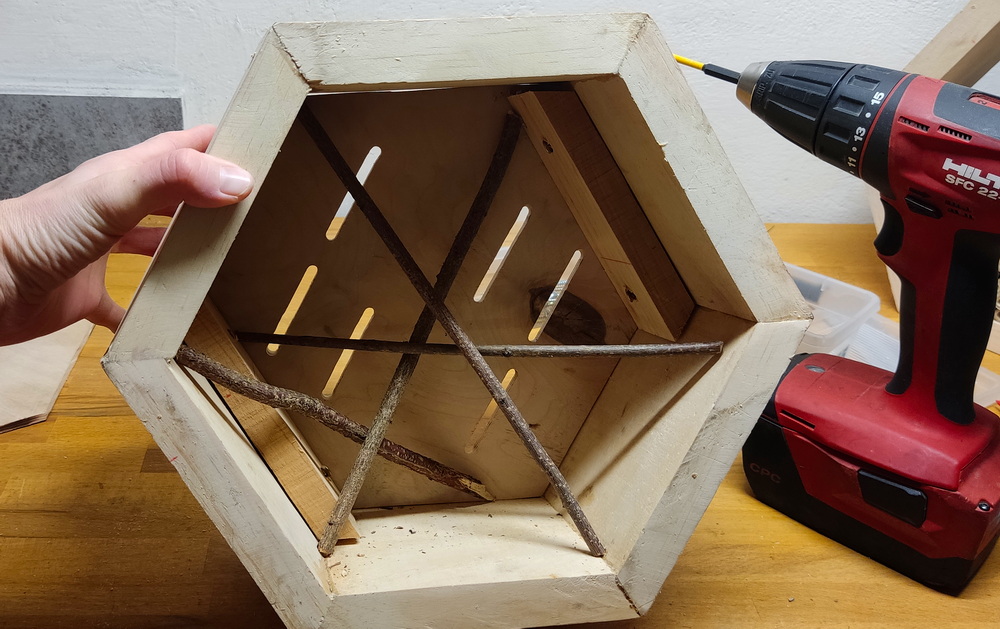
I closed the house with another piece of plywood, which I attached to its edges with screws.
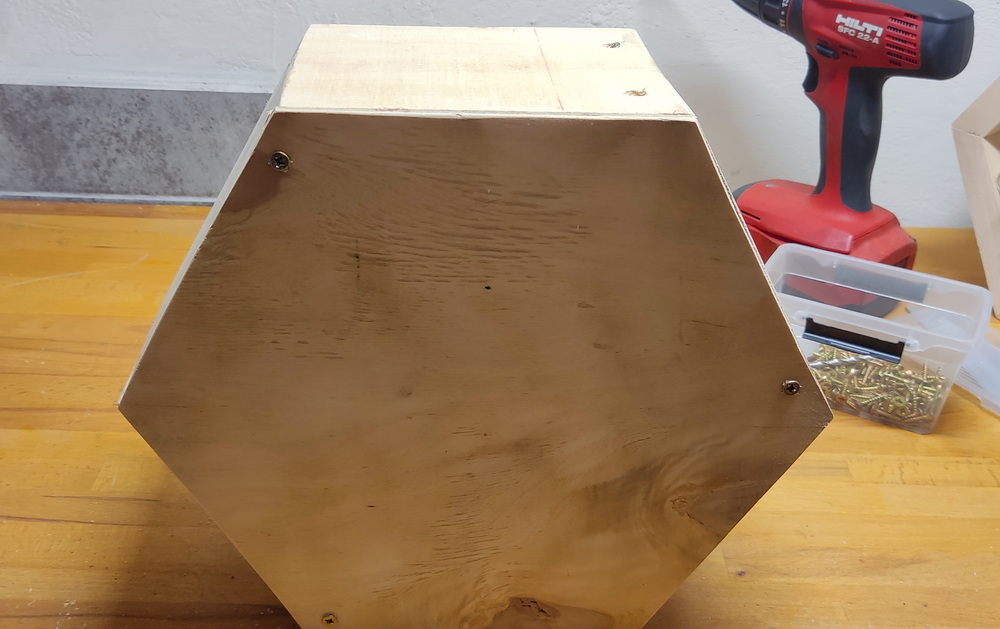
NOTE!! All routed and drilled holes should have smooth edges, so insects can easily enter them. You should not leave any rough edges that may form during processing. To achieve this, the surface should be sanded or chamfers should be made on the holes.
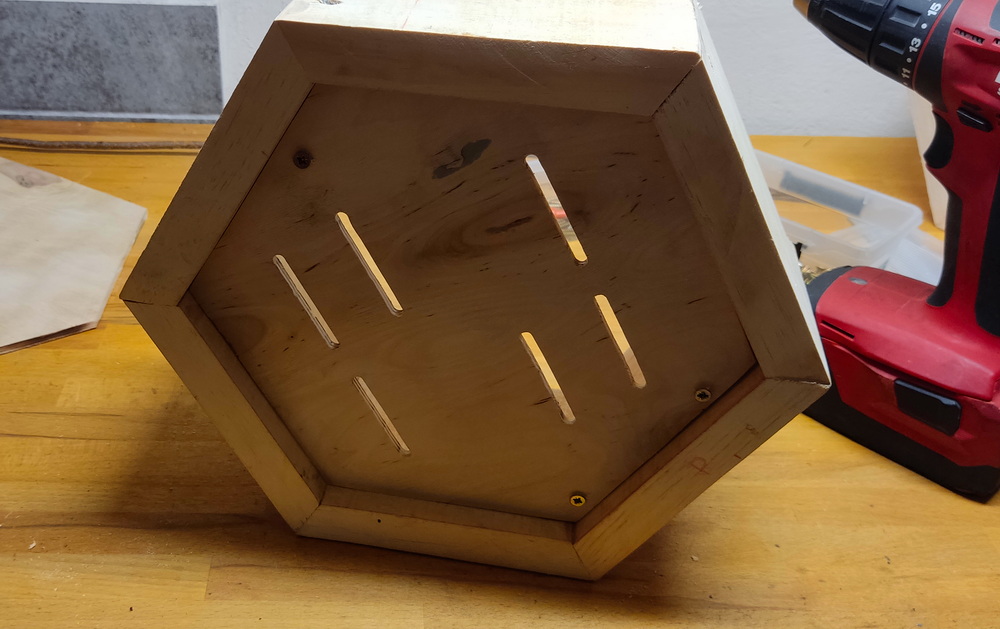
- Step 6. Creating a hotel with drilled tunnels and bamboo.
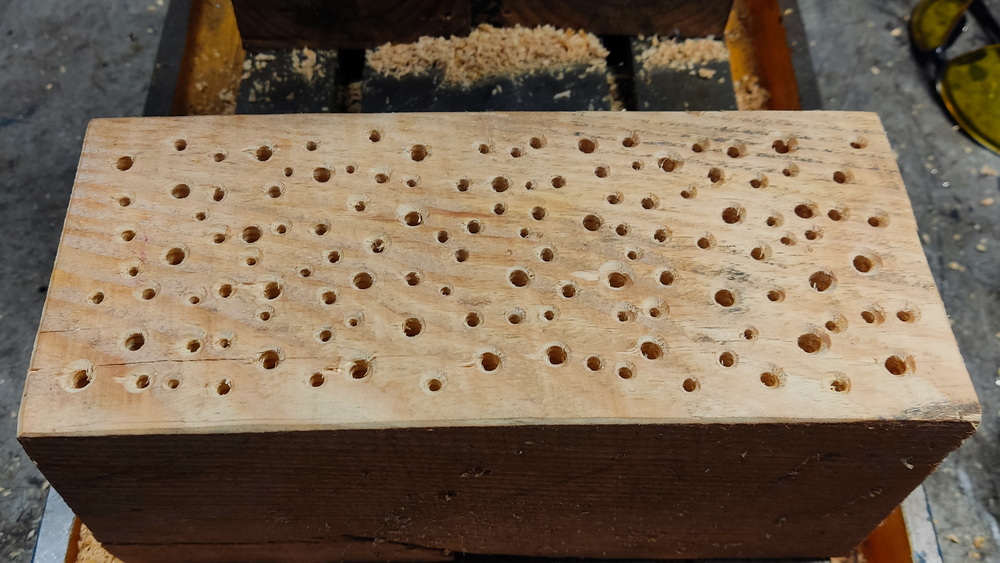
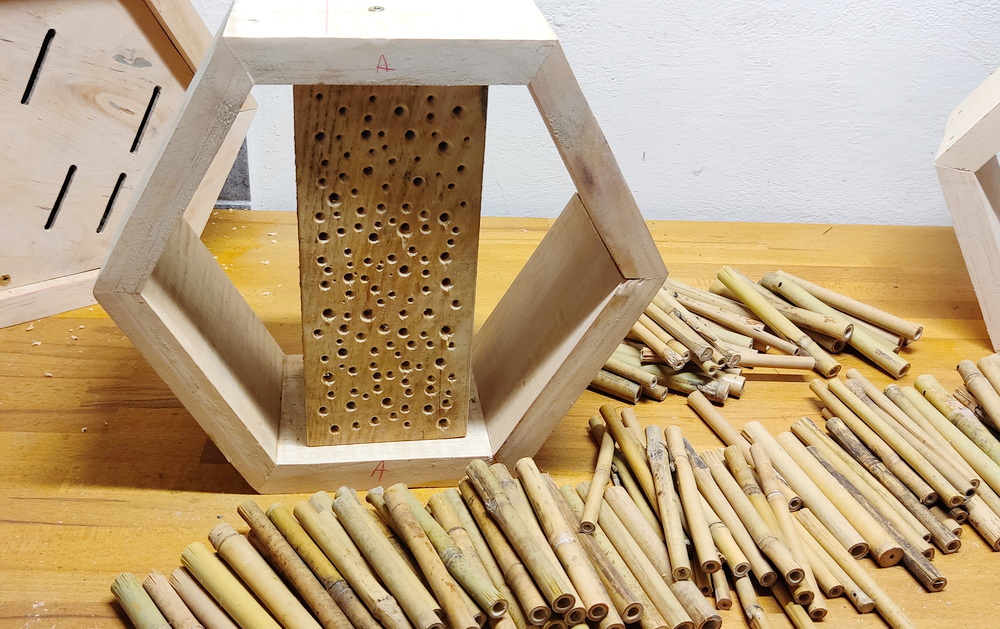
First, I prepared a piece of wood in which I would drill non-through holes of various diameters. I had a 10×10 cm timber. I cut it to the appropriate length so that it would fit snugly into the house. Once I had the block prepared, I drilled non-through holes of various diameters in it, ranging from 2mm to 5mm. The holes are deep, and I used the longest drill bits available in the store (with a working length of 90mm). This wide range of diameters will attract various species of wild bees.
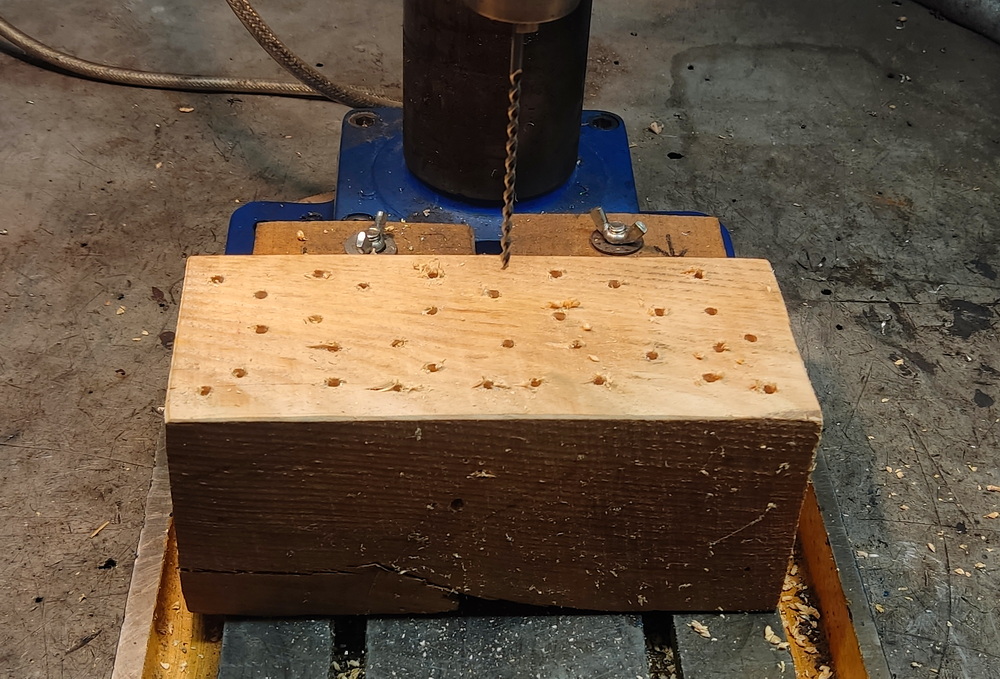
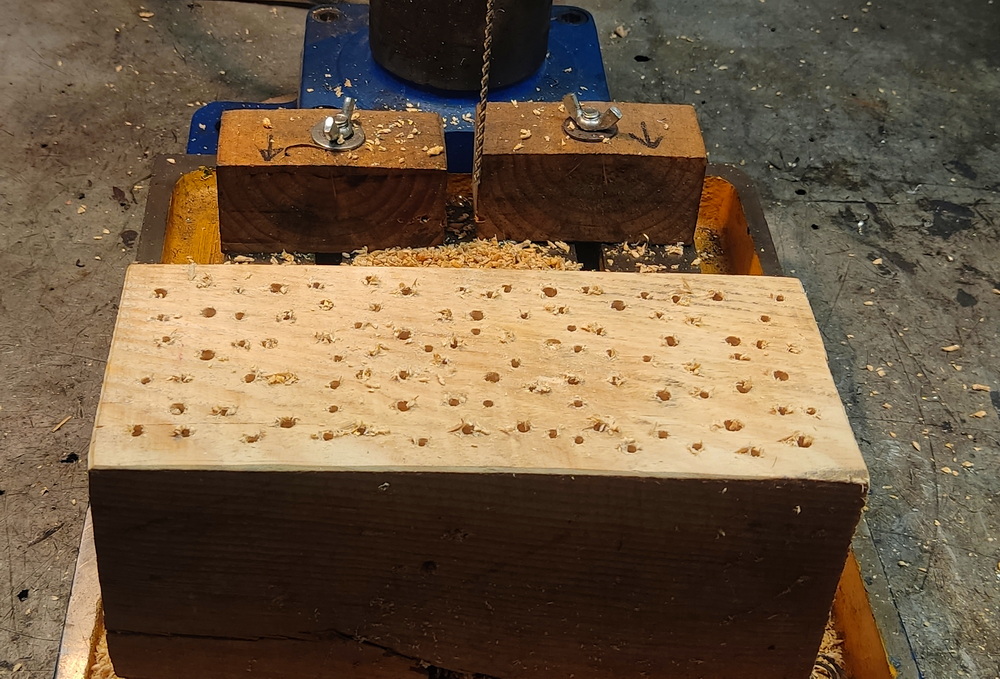
I then chamfered each of the holes slightly to facilitate the entry of insects inside
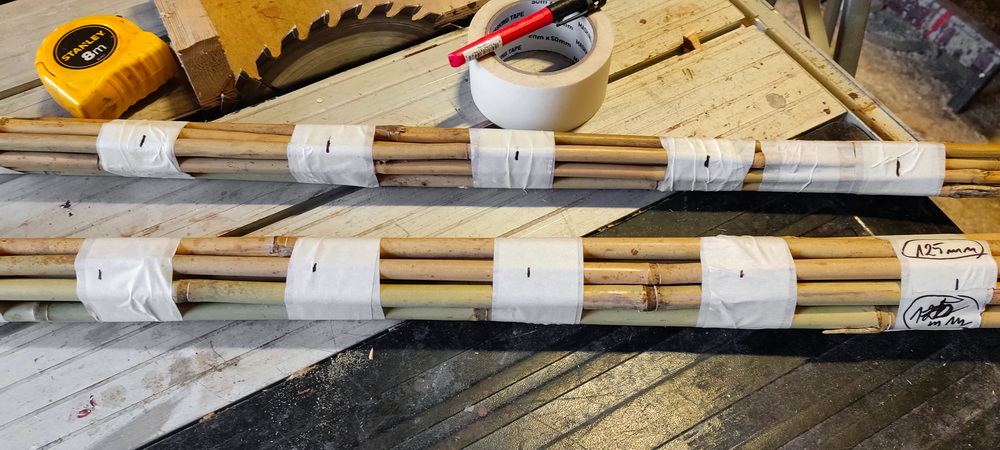
Once I had the timber prepared, I proceeded to work on the bamboo sticks. First, it was necessary to cut the bamboo to the right length. To do this, I tightly taped the sticks with paper tape at the cutting points. This prevented the bamboo from falling apart during cutting, and the cutting surface remained even and unfrayed.
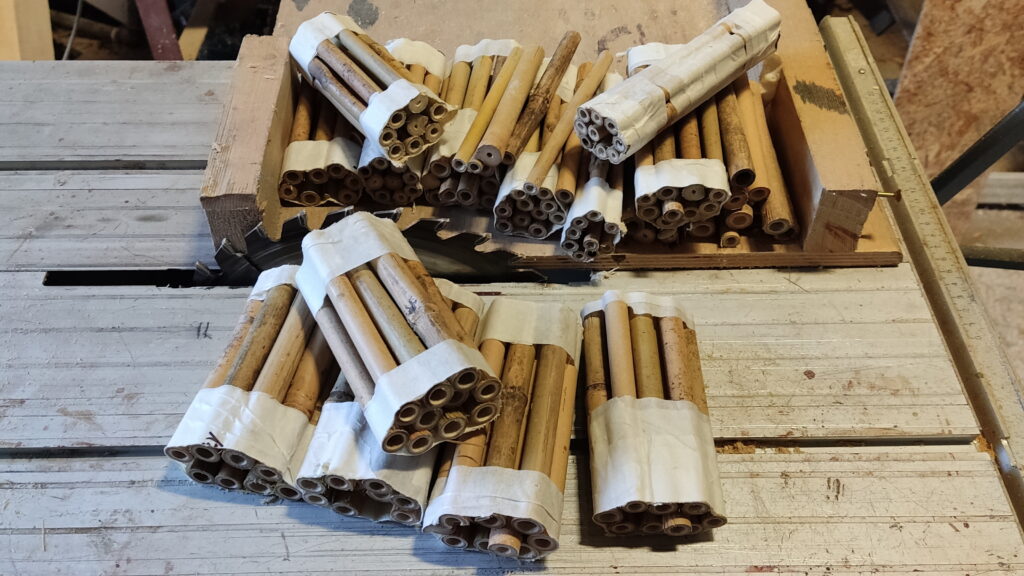
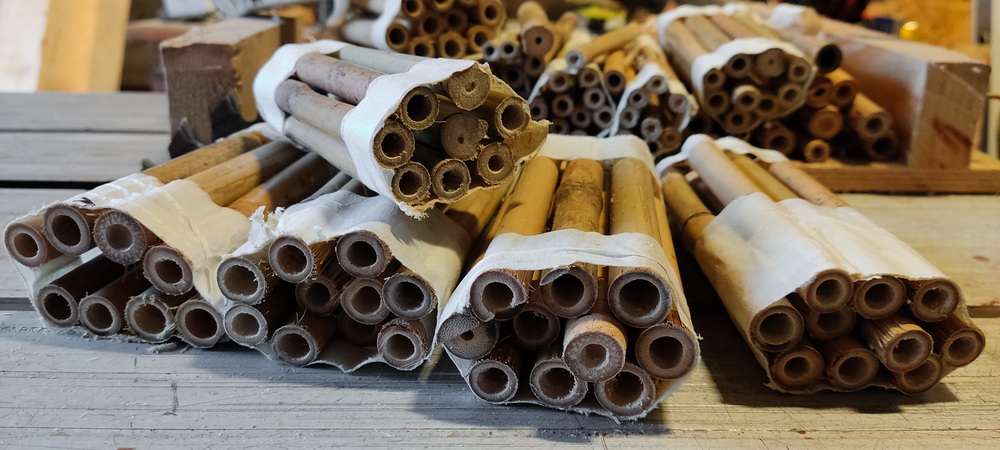
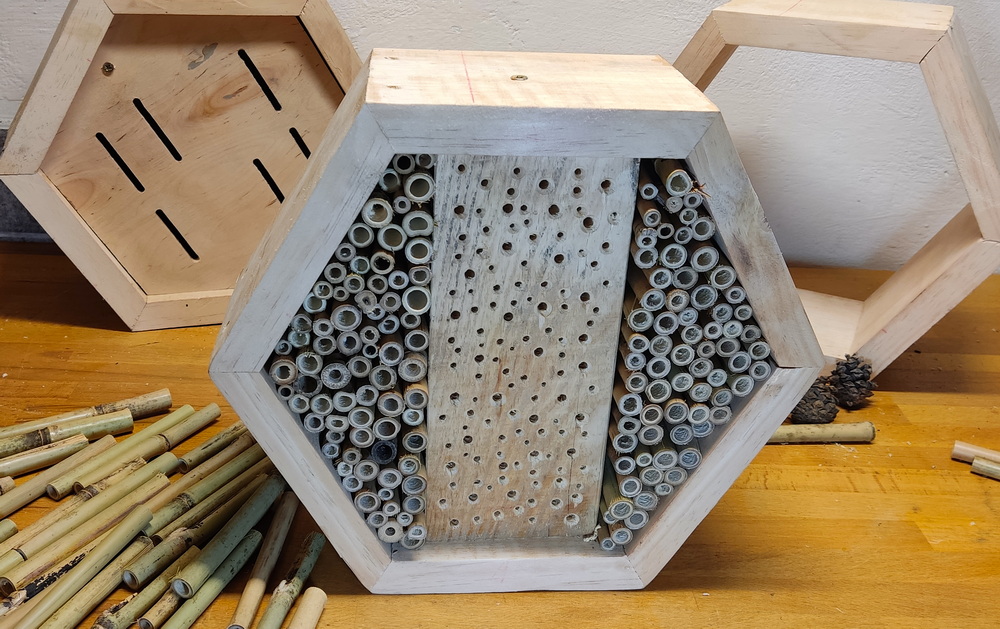
I arranged the cut bamboo sticks inside the house on both sides. I pushed the sticks in tightly to ensure they wouldn’t come out.
- Step 7. Creating a hotel with pinecones.
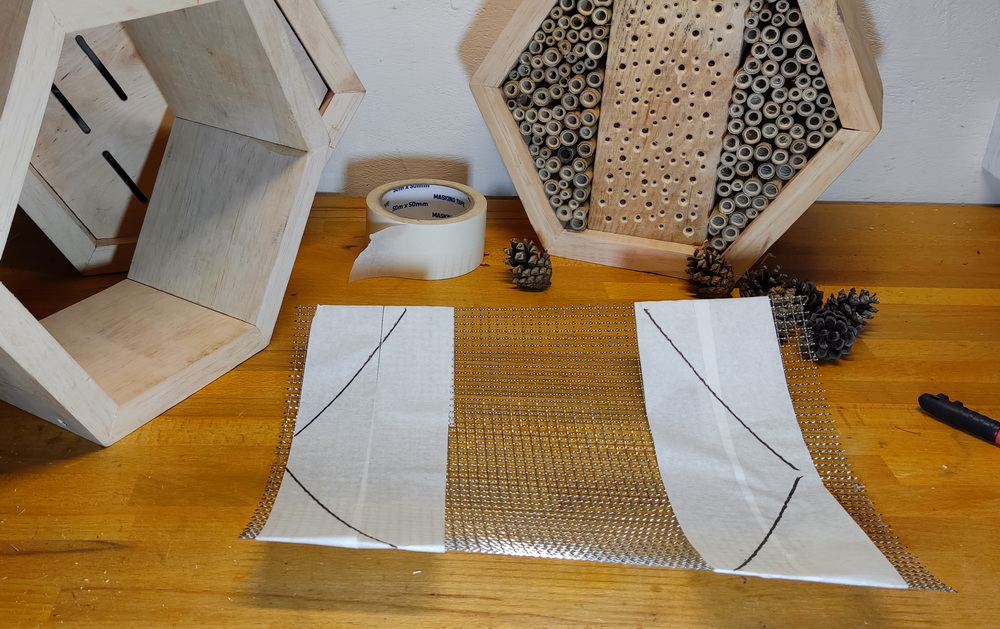
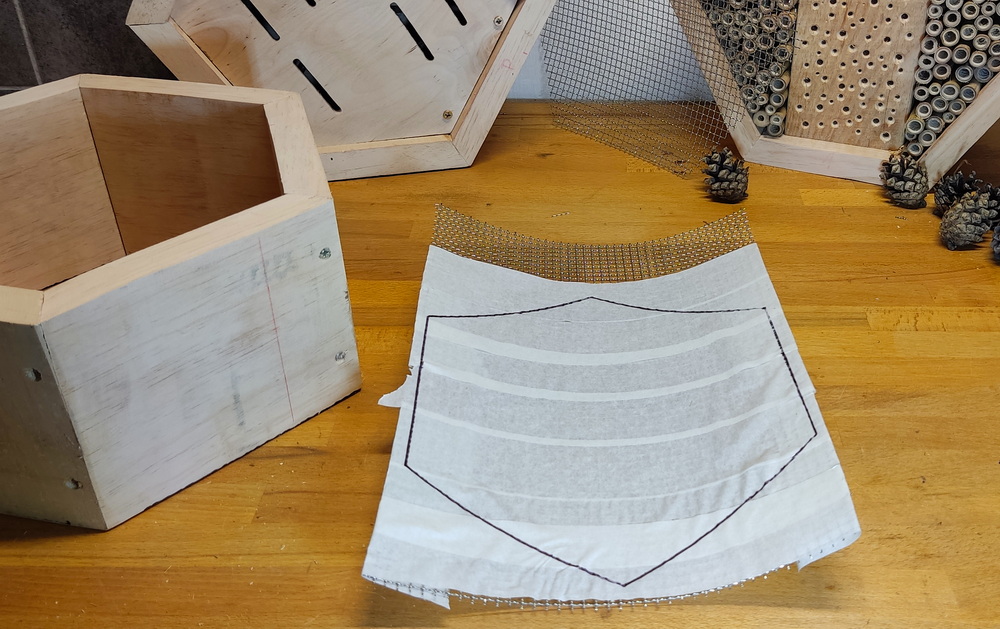
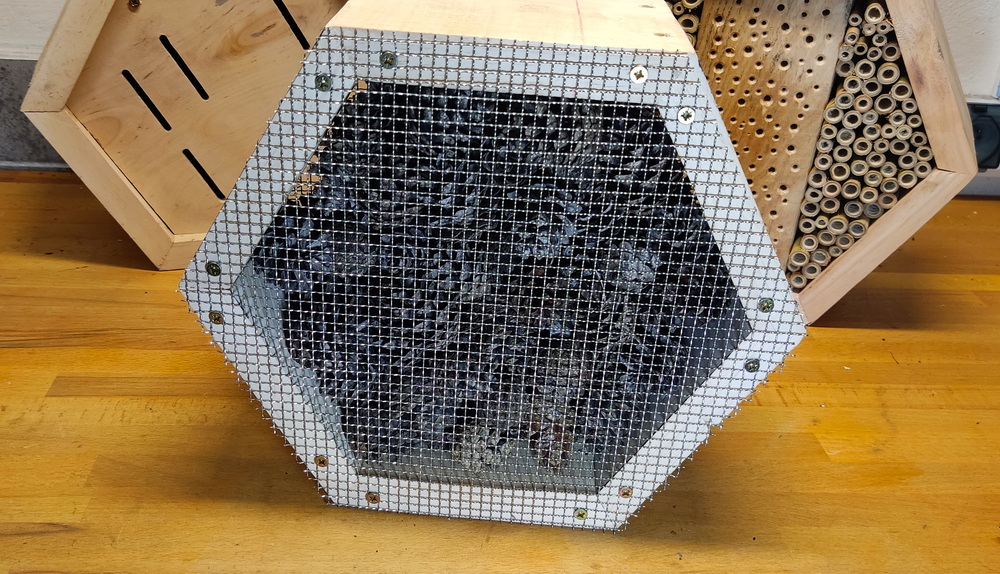
To prevent pinecones from falling out of the hotel, I secured them with stainless steel mesh. The pieces I had cut earlier were wrapped with paper tape, allowing me to trace the edges of the house and cut out the shape easily.
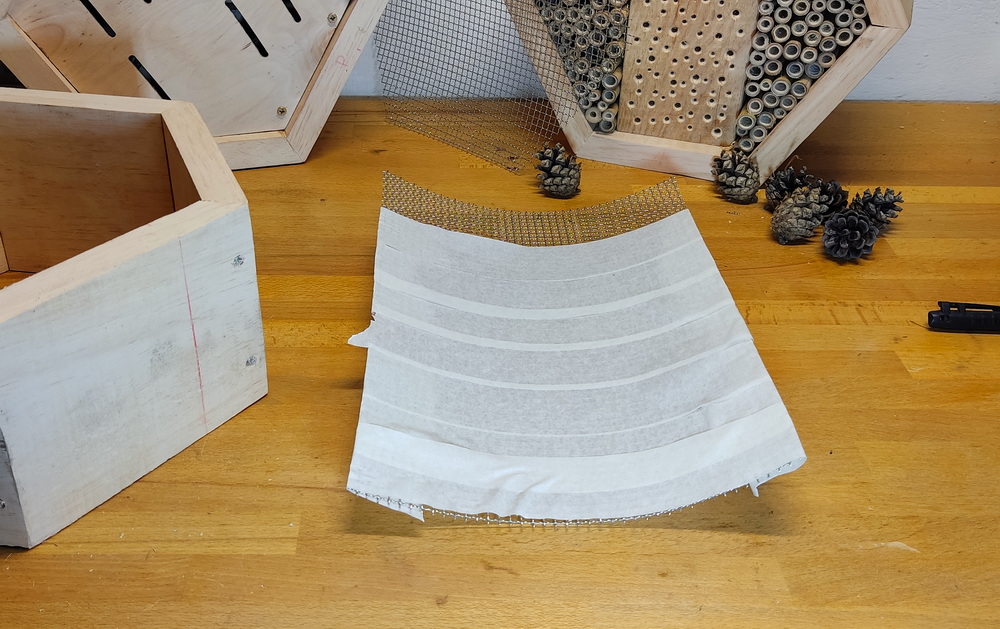
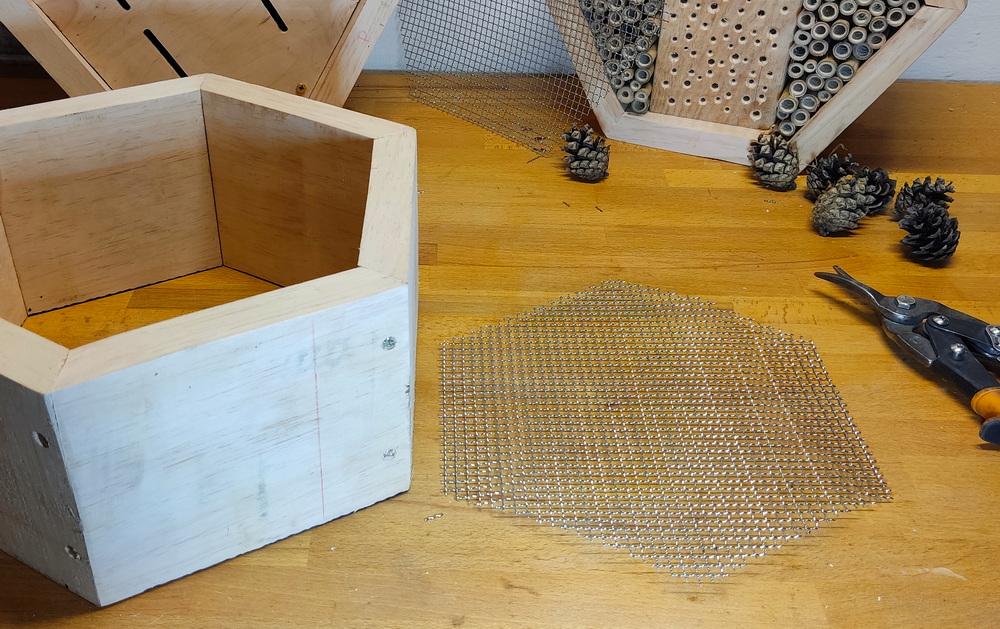
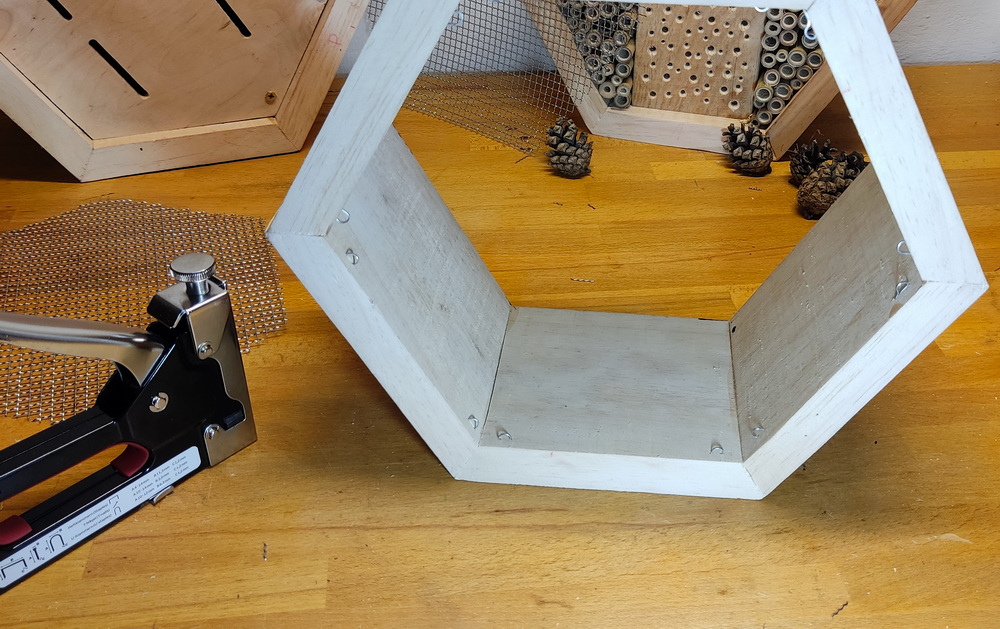
I attached the front mesh using a stapler.
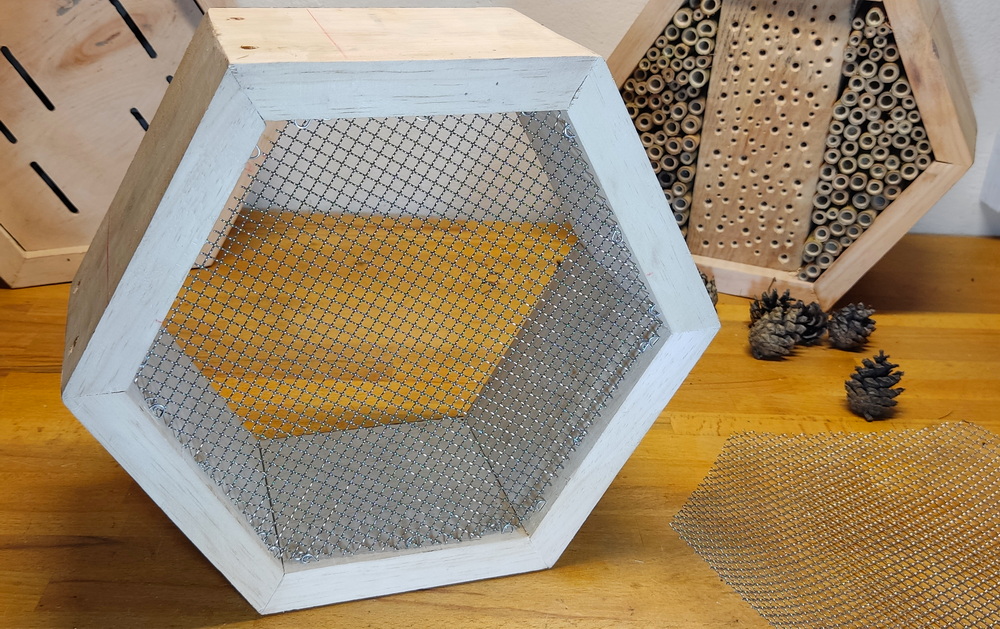
I filled the entire hotel with pinecones and covered it with mesh, which I secured with screws.
Hotele dla owadów powiesiłam pod dachem stodoły, dzięki temu deszcz i śnieg nie będzie przeszkadzał moim lokatorom. Domki zawieszone są od strony wschodniej, przez co owady będą miały odpowiednią ilość słońca w ciągu dnia. Leszczyna ochroni je od wiatru.I hung the insect hotels under the barn’s roof, ensuring that rain and snow wouldn’t bother my tenants. The houses are hung on the east side, providing the insects with the right amount of sunlight during the day. The hazel tree will protect them from the wind.
In creating this insect hotel, my main goal was to build a friendly environment for these small but incredibly important creatures. Insects pollinate plants and maintain the balance of ecosystems. My project is not just a piece of garden decoration; it’s an expression of commitment to nature conservation and supporting wildlife on my property.
I am convinced that what I have built will attract a variety of insect species and provide them with suitable places for nesting, shelter, and food. By creating this hotel, I’ve also created an opportunity for learning and exploring the fascinating world of insects. The value they bring to our lives is priceless.
The hotel is not coated with any varnish or oil. In a few years, the wood and the hotel’s filling will deteriorate, but I didn’t want to use anything that could harm our little helpers. I also hope that in the future, I will find the time to expand my insect community.
Therefore, I encourage you, dear readers, to take your own actions in the direction of protecting insects and nature. Even a small step, such as building a simple shelter, can have a significant impact. Together, we can create a more sustainable and insect-friendly environment.
See you in future projects, and for now, let’s enjoy the beauty of nature around us and take care of our winged friends!
Check also…
No posts